
When an animal is in trouble, most of us like to believe we would jump in and help. Sadly, that is not always what happens.
Whether the animal is a pet or part of the local wildlife, any creature dealing with injury, hunger, or neglect deserves a real chance to make it through. That often means acting when other people freeze or walk away.
With wildlife, though, care has to come with caution. Their behavior can be hard to predict, which is why trained professionals are always the safest people to call.
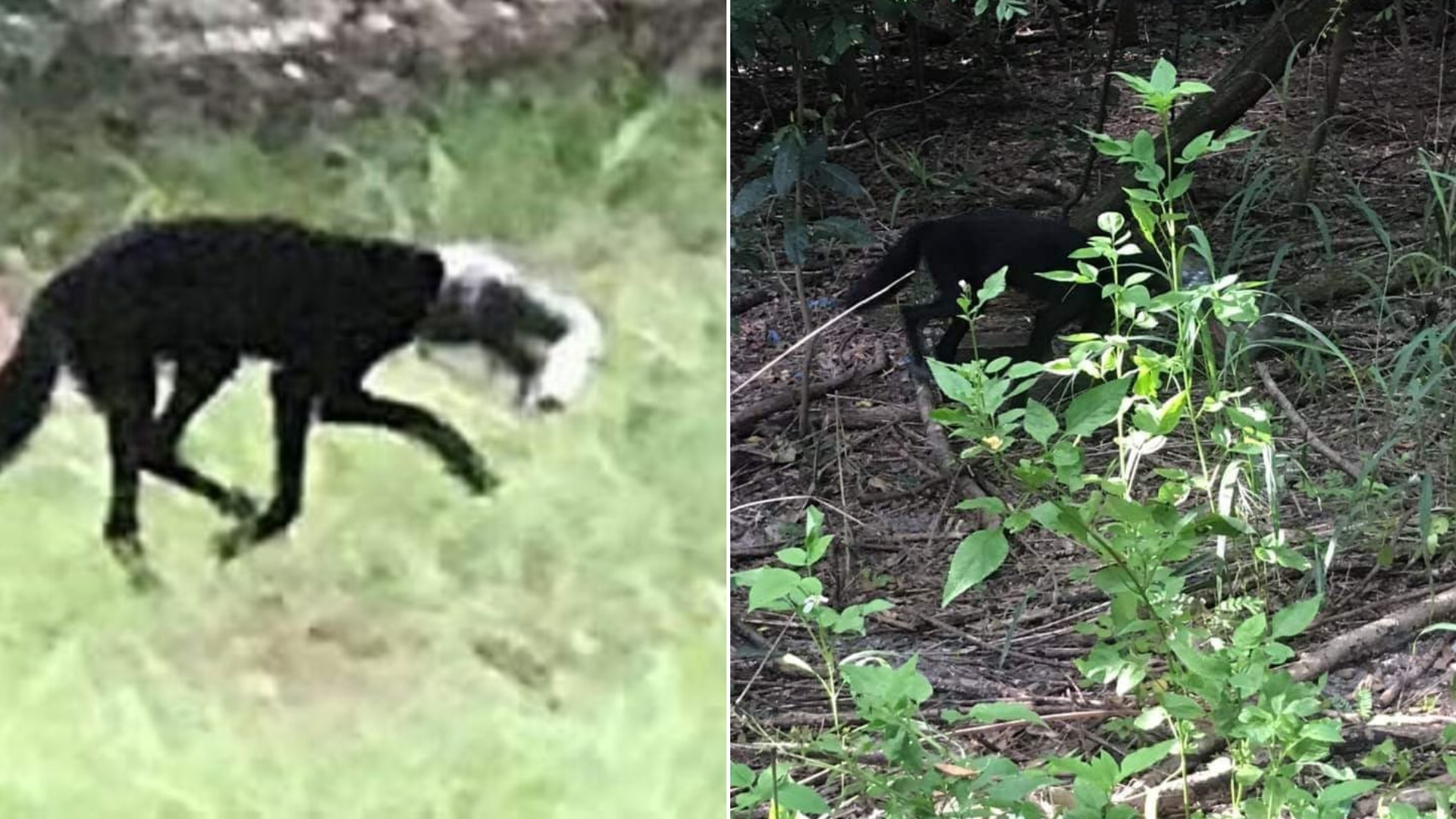
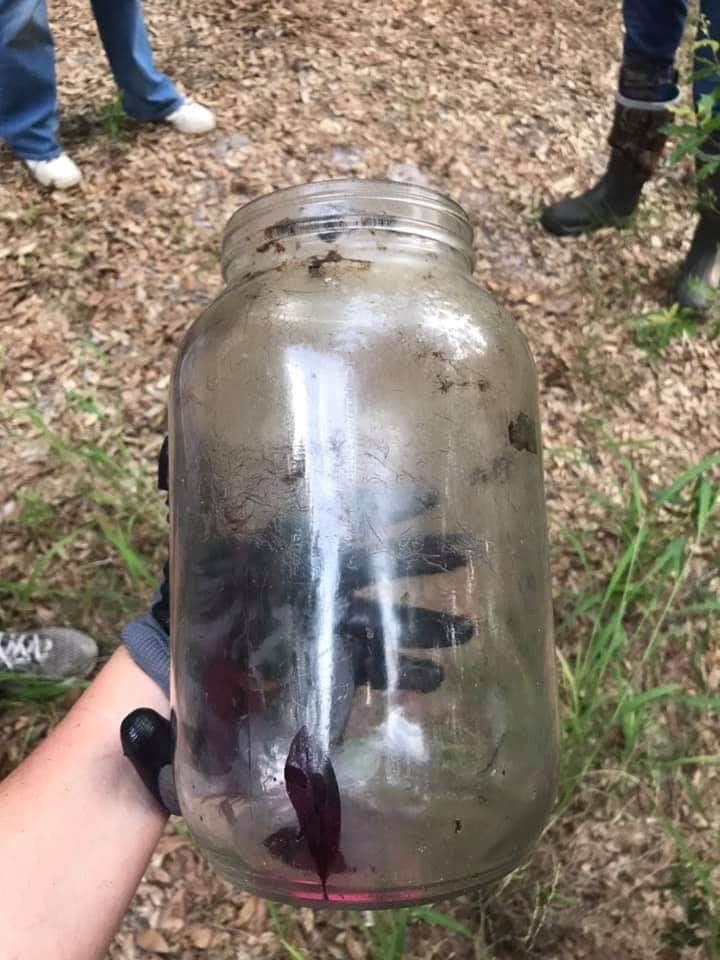
That lesson became very real in a Florida neighborhood when residents noticed a strange animal wandering around with a glass jar stuck over its head. They did not wait, they immediately called for help.
Lea Steps In To Aid The Unseen Creature
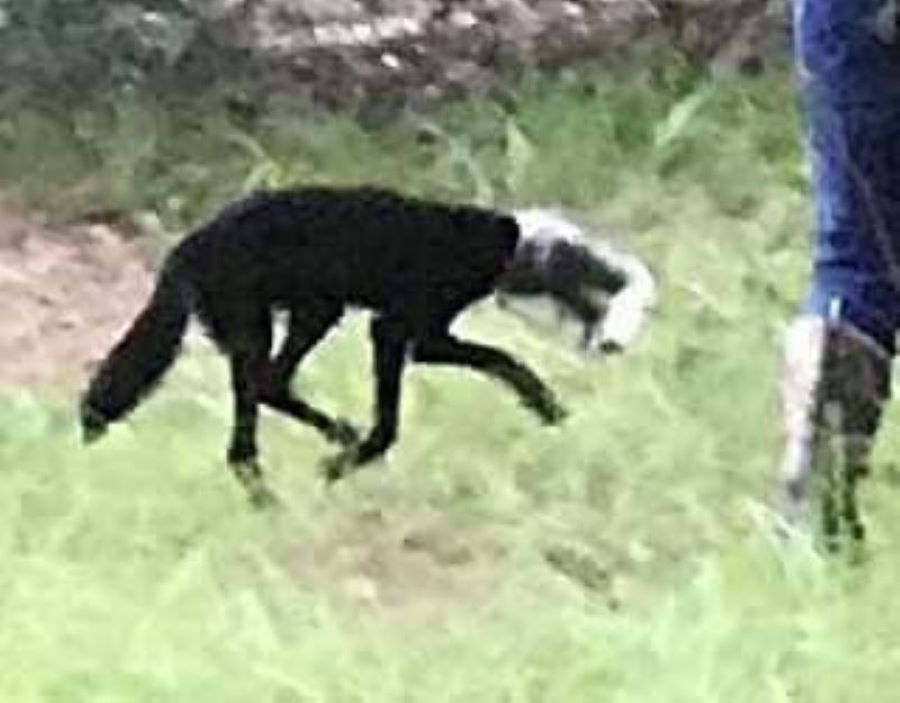
Lea Elise Haverstock noticed an online post showing a black “dog” roaming with a jar trapped on its head. She didn’t pause; she knew she had to get involved.
Even though Lea suspected the animal might not actually be a dog, she joined the search immediately. It was clear that the creature could barely eat or breathe with the jar obstructing it.
Lea told The Dodo: “There was a post that an emaciated black ‘dog’ was loose with a glass jar on its head. I came out to join that search.”
Photos circulating online revealed just how weak the animal had become. It was apparent that it hadn’t eaten in days and was dangerously close to collapse.
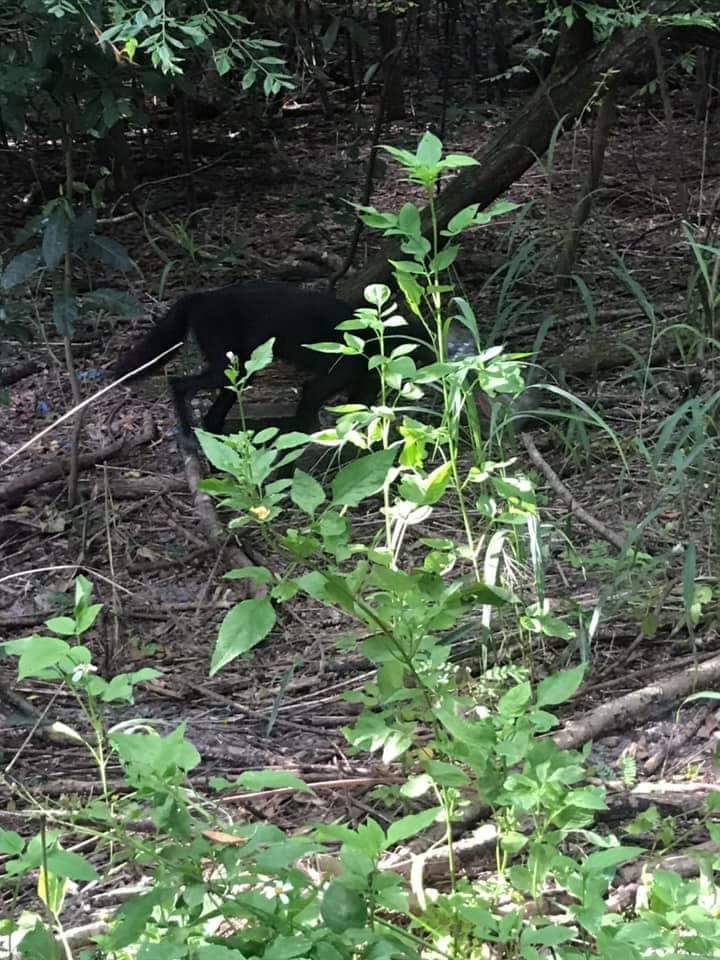
Lea continues by saying: “I was distressed knowing this animal, whatever it was, had a jar on its head and could not eat.”
Eventually, a Pasco County Animal Services officer spotted the creature from a distance.
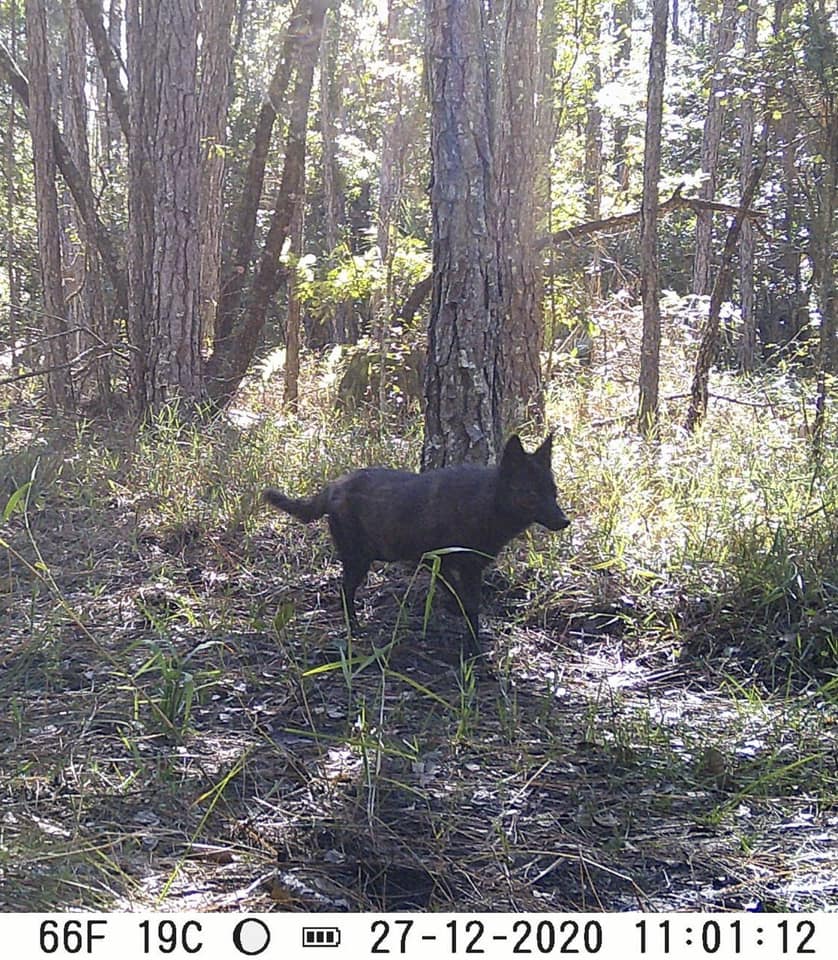
That’s when they realized the truth: it wasn’t a dog at all. It was a black coyote.
Though sightings are uncommon in that part of Florida, a small population still resides in the area.
Rescue Effort Culminates In A Moment Of Triumph
The search dragged on for hours, with the team combing every potential hiding place. The coyote remained elusive, moving cautiously through the neighborhood.
Finally, they spotted it in an open field. Lea quickly signaled the team so they could approach safely.
To everyone’s relief, the coyote didn’t flee. The rescuers were able to calmly reach it and remove the jar from its head. Once freed, the animal could breathe properly for the first time in days.
The coyote paused for a moment, casting a glance back at the team, almost as if acknowledging their help, before sprinting into the nearby woods, likely seeking food.
It had been a long, exhausting ordeal, but Lea felt profound gratitude for trusting her instincts. The experience reinforced a simple yet powerful truth: every animal deserves aid, no matter its species.
She said: “Fight for that animal no matter if that is uncomfortable [or if] it puts you in a position where you have to take a stand. Be a warrior for helpless animals, [be] kind, compassionate and brave.”
Every creature should have the freedom to live unhindered, and when humans are in a position to help, it is our responsibility to act.
This lesson resonates deeply and is one we should all carry forward.