
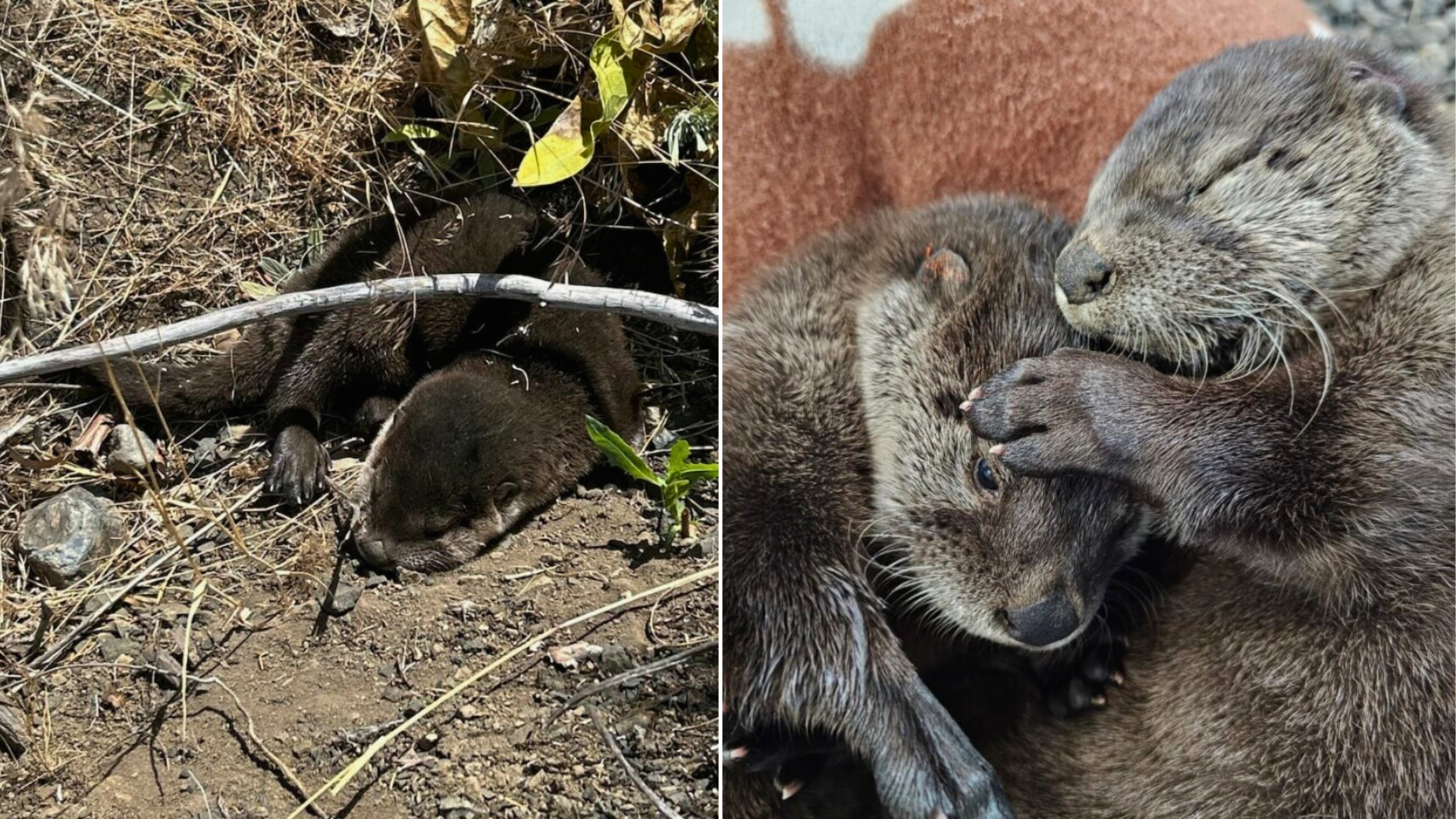
Park rangers learn quickly that no day stays predictable for long. Odd discoveries and unexpected moments come with the territory, yet every so often something appears that makes even seasoned professionals pause.
That was the case for Tyler Bank, a park ranger in Oregon, during what began as a routine patrol. While moving through Cove Palisades State Park, his attention snagged on something resting near the roadside.
A large brown shape lay curled inside a ditch, at first glance resembling nothing more than a tangled pile of fur.
As Bank stepped closer, the seriousness of the situation became clear. Tucked inside were two tiny animals pressed together, quiet and still, waiting for someone to see that they needed help.
A Startling Discovery
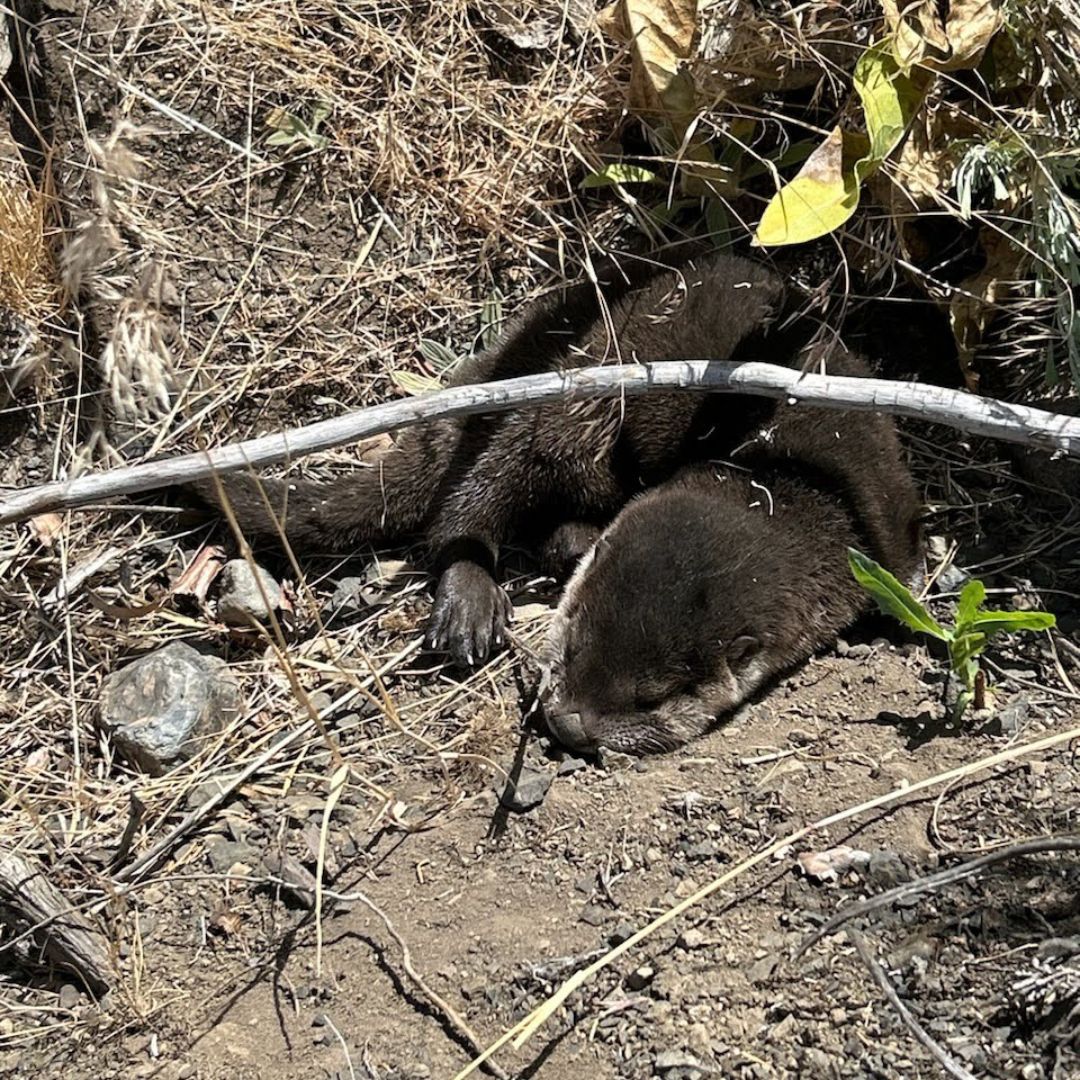
Bank soon saw that the ditch held two orphaned otter pups, pressed closely against each other for comfort.
He immediately reached out to the State Police Wildlife Center, who guided him on safely transporting the pair to Think Wild Central Oregon, a dedicated wildlife rescue and rehabilitation facility.
Upon arrival, the otters received immediate attention.
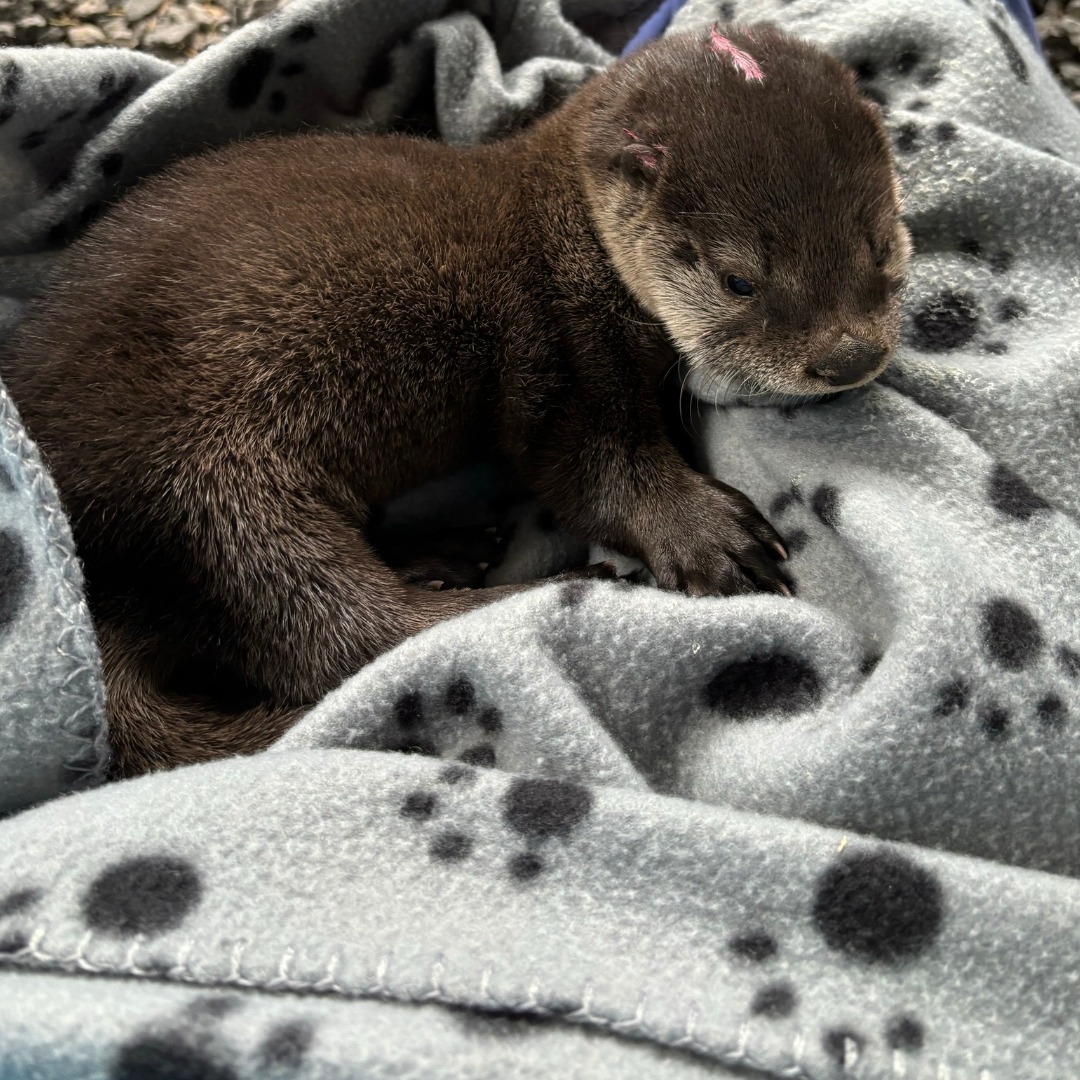
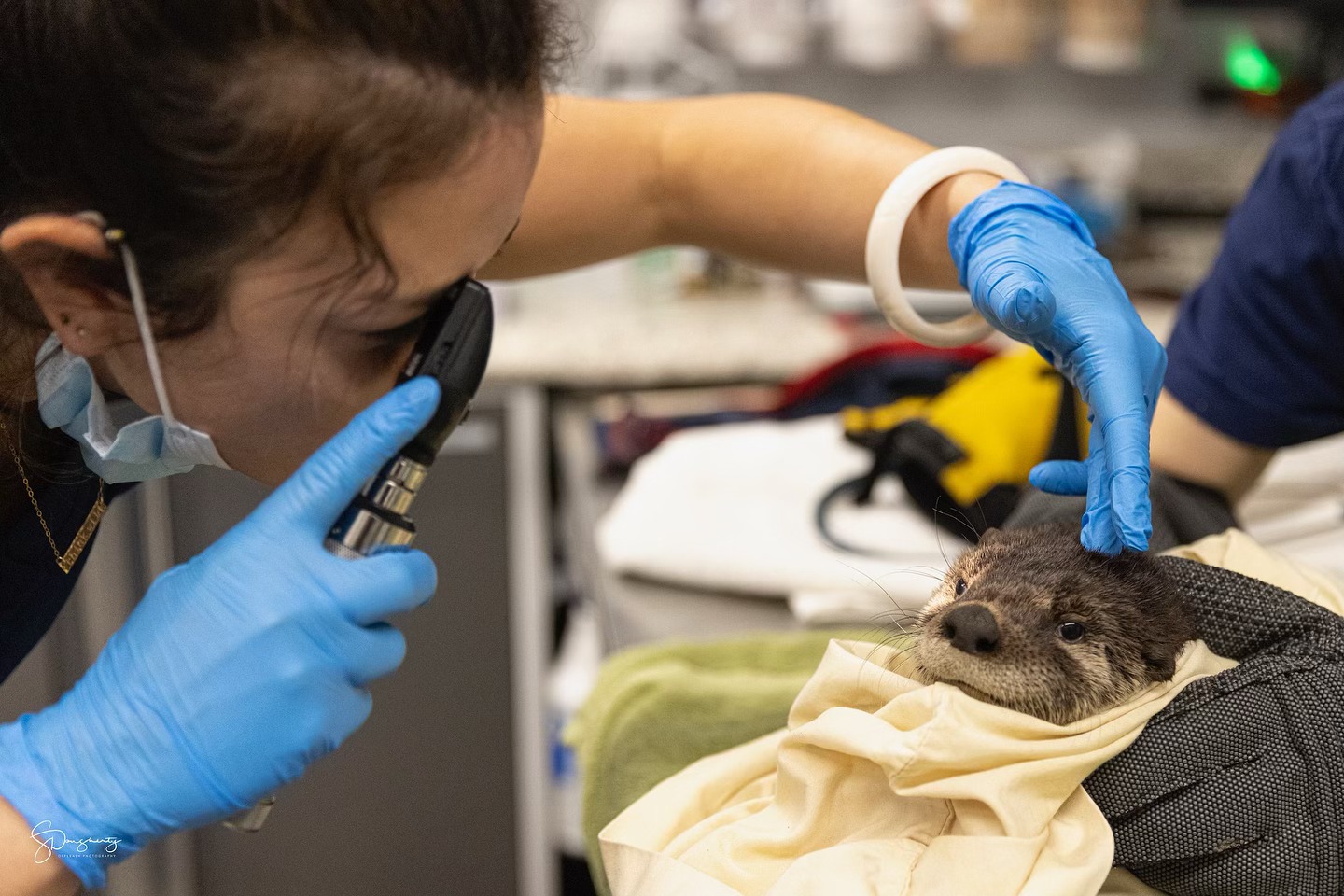
Veterinarians examined them thoroughly, providing treatments to stabilize their fragile condition.
The staff worked to keep the pups hydrated and comfortable while carefully limiting human interaction.
Because river otters are wild animals, excessive contact with people could hinder their ability to survive once released.
Keeping the sisters together was a priority. They remained curled against one another, drawing reassurance from their shared presence.
As days passed, both pups grew stronger, gradually showing signs of recovery.
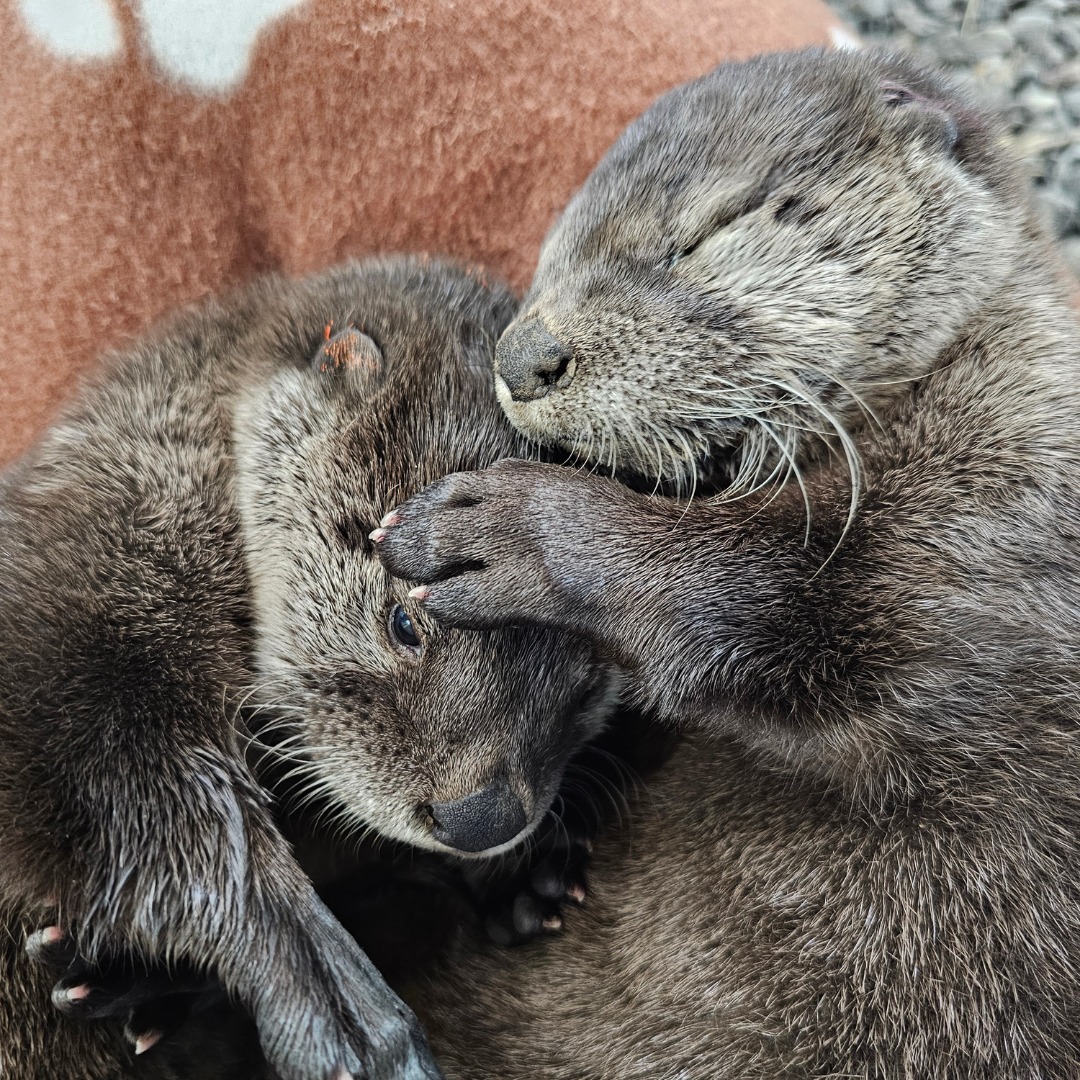
When the time was right, Think Wild coordinated their transfer to the Wildlife Center of the North Coast, where long-term rehabilitation could continue.
The organization explained the decision on Facebook:
“Our two orphaned river otter patients received a veterinary examination at Think Wild to prepare for their transfer to Wildlife Center of the North Coast. There, they will spend up to 12 more months of rehabilitative care before being released back in Central Oregon.”
The move offered exactly what they needed to flourish. With long-term professional care, the otters continued to thrive and develop.
Returning To Their Natural Home
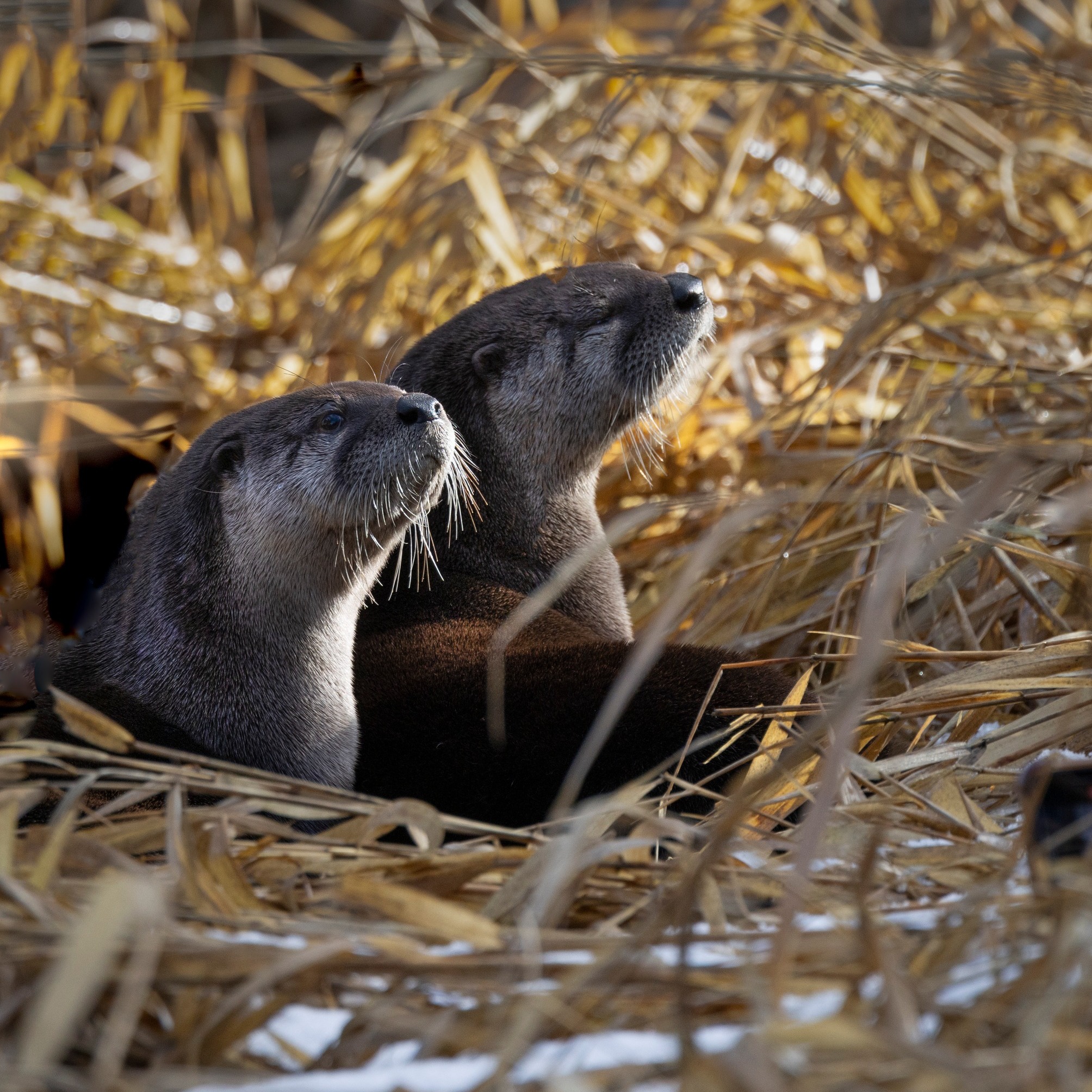
Months of careful care and skill-building passed, and Think Wild shared the news everyone had been waiting for. The otter pups had grown healthy, confident, and ready to return to the wild.
They had mastered the essential skills required for independent survival.
“WCNC and Think Wild staff determined that the otters had developed appropriate skills and behaviors for life back in the wild, having exhibited swimming proficiency, hunting behaviors, and social interactions,” the organization stated.
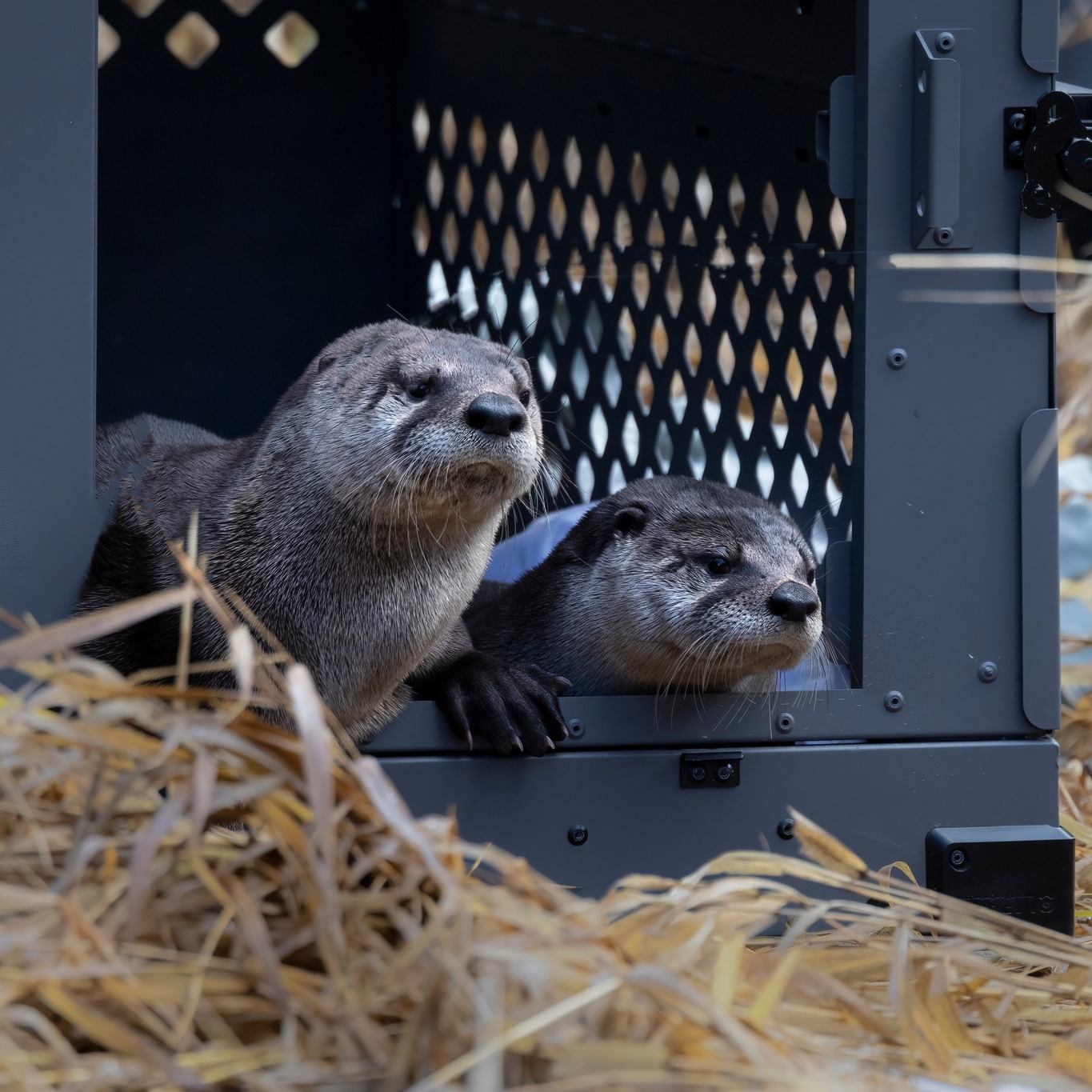
To ease their transition, the team arranged a soft release. A small holt was prepared near the water, stocked with food, allowing the sisters to explore and adjust gradually to their new environment.
Watching the pups slip into the river was a moving moment for everyone involved.
From two vulnerable babies curled in a roadside ditch to self-assured young otters navigating the water, their journey embodied resilience and the impact of dedicated care.
“Now, these two otter pups are back where they belong, exploring their new river home,” the rescue shared.