
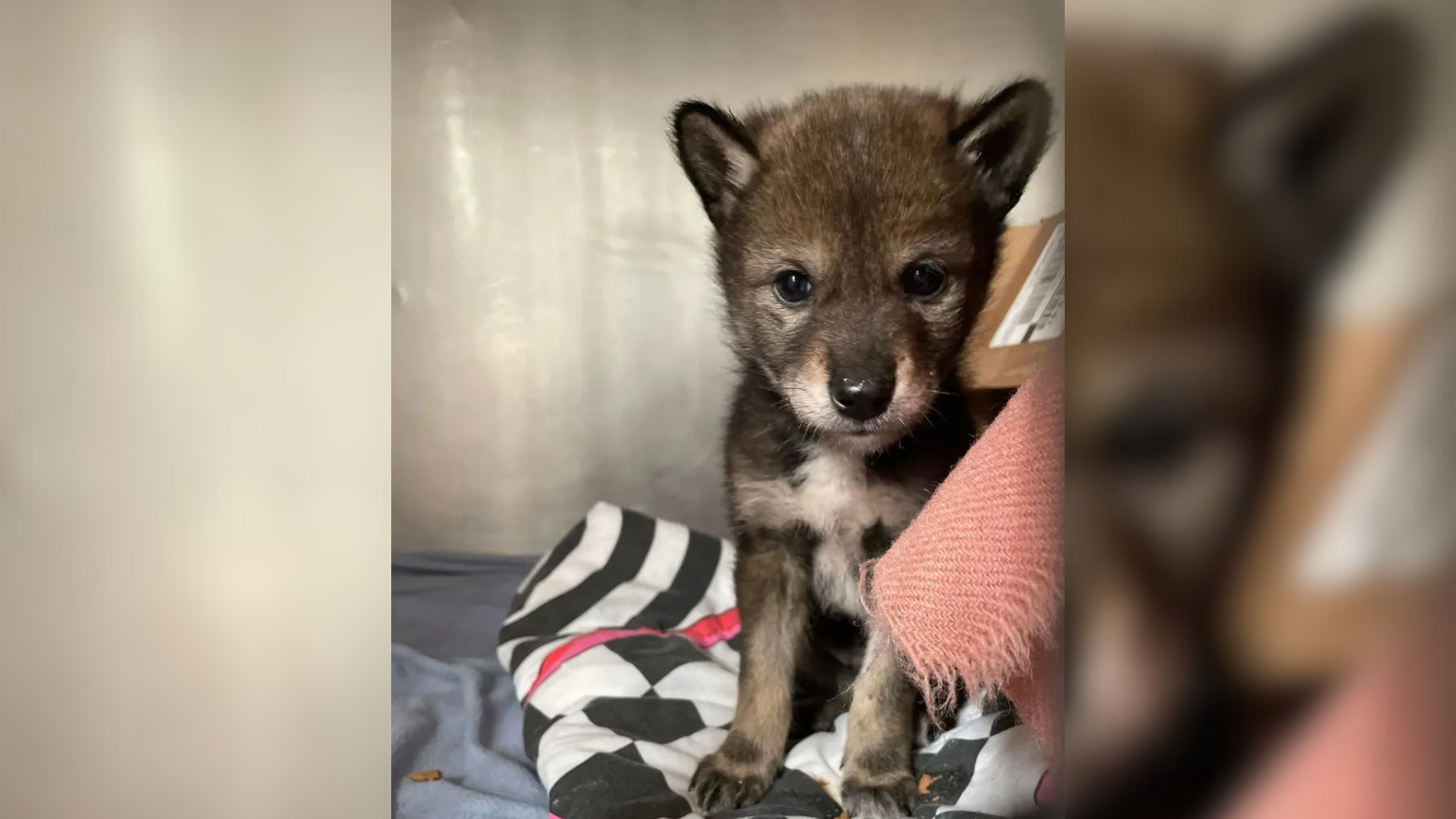
A kindhearted family in Massachusetts noticed what they believed was a small, frightened puppy lingering near the roadside, and they could not ignore him. He looked lost and vulnerable, so they carefully brought him home, convinced they had just helped a stray dog in need.
It was only after getting a closer look that something began to feel different. The more they observed their new visitor, the clearer it became that he was not the puppy they first thought.
What they had actually rescued was a young coyote.
Realizing he required specialized care, the family quickly contacted wildlife professionals to ensure he would be raised safely and given the support he needed.
Placed In Skilled Hands
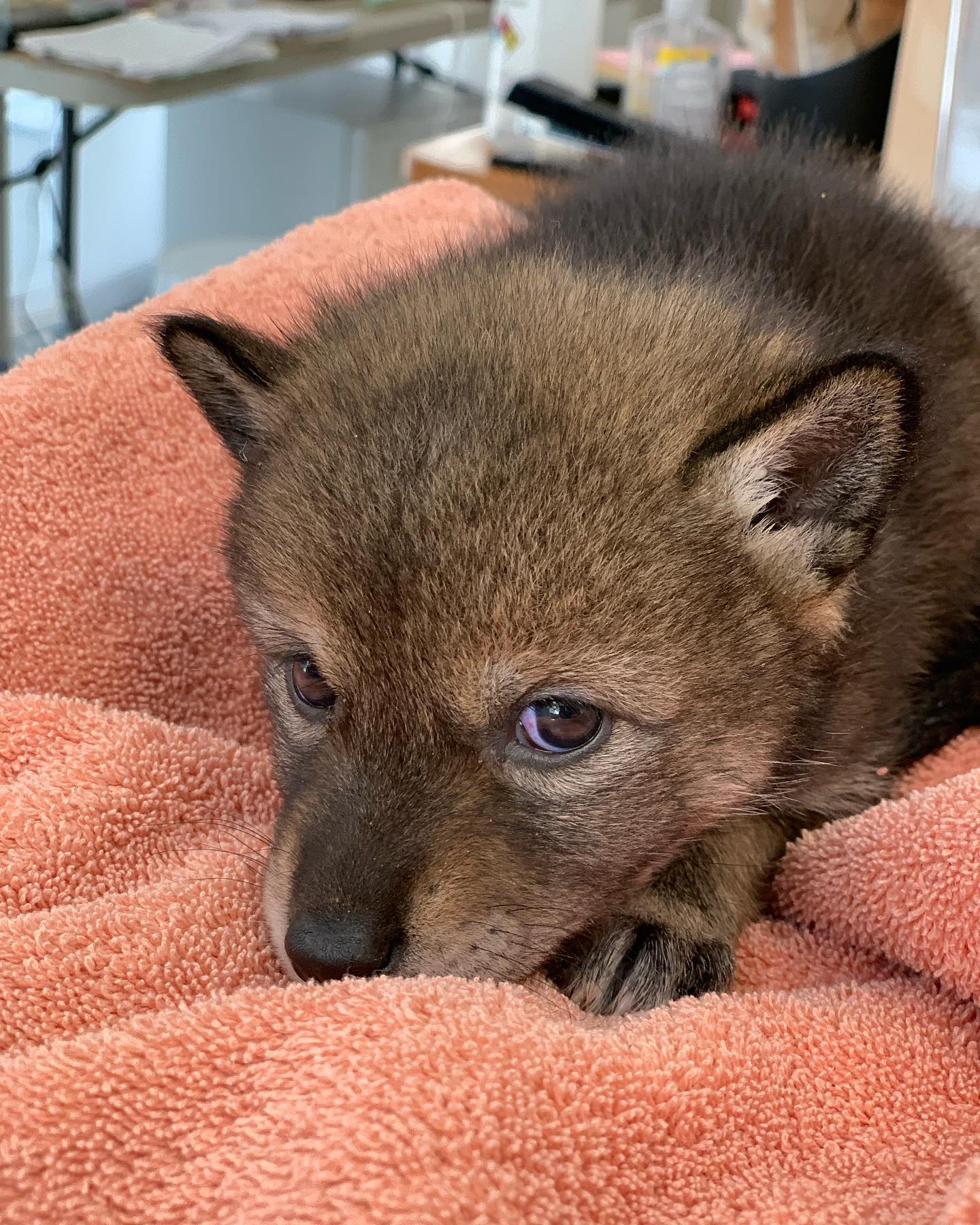
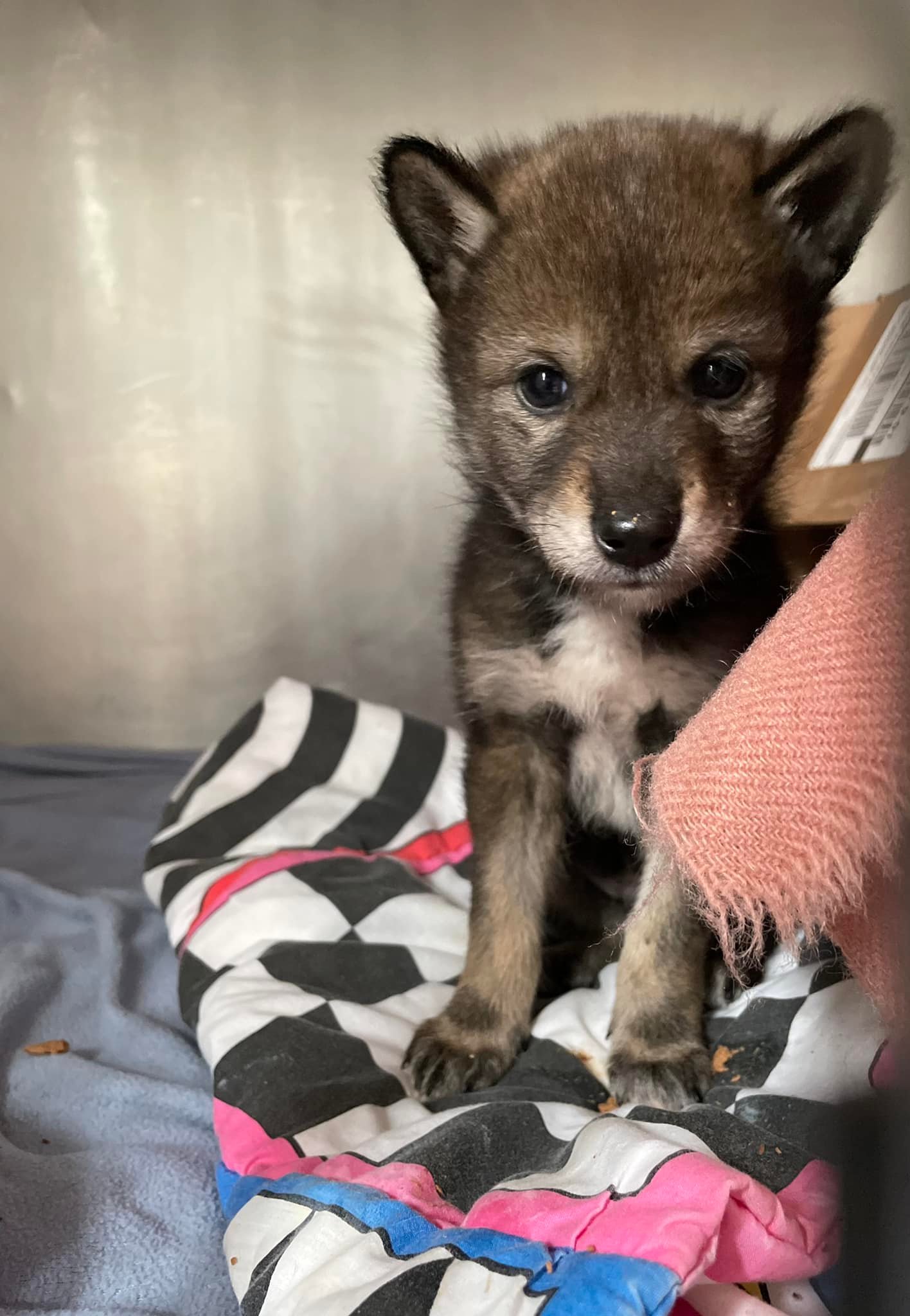
The young animal was transferred to the Cape Wildlife Center (CWF), where staff members quickly identified him as a baby coyote.
The center later confirmed the discovery in a Facebook update.
“With the help of the Mass Department of Public Health, we were able to determine there was no potential exposure risk to rabies, and were able to clear him for care and granted permission to rehab by Mass Wildlife,” read their post.
News of the mistaken identity drew attention online. Many people commented that they easily could have confused the pup for a domestic dog because of his tiny size and innocent face.
One commenter even mentioned having had a coyote-dog hybrid as a companion in the past, describing him as so affectionate she “wouldn’t have traded him for the world.”
Preparing Him For Life In The Wild
The Cape Wildlife Center shared that they were already tending to another coyote pup around the same age. Once both young animals receive their vaccines, the team plans to introduce them so that they can grow up together.
The two pups will stay in the outdoor enclosures at the center, where they can learn natural behaviors and survival skills that wild parents would normally teach.
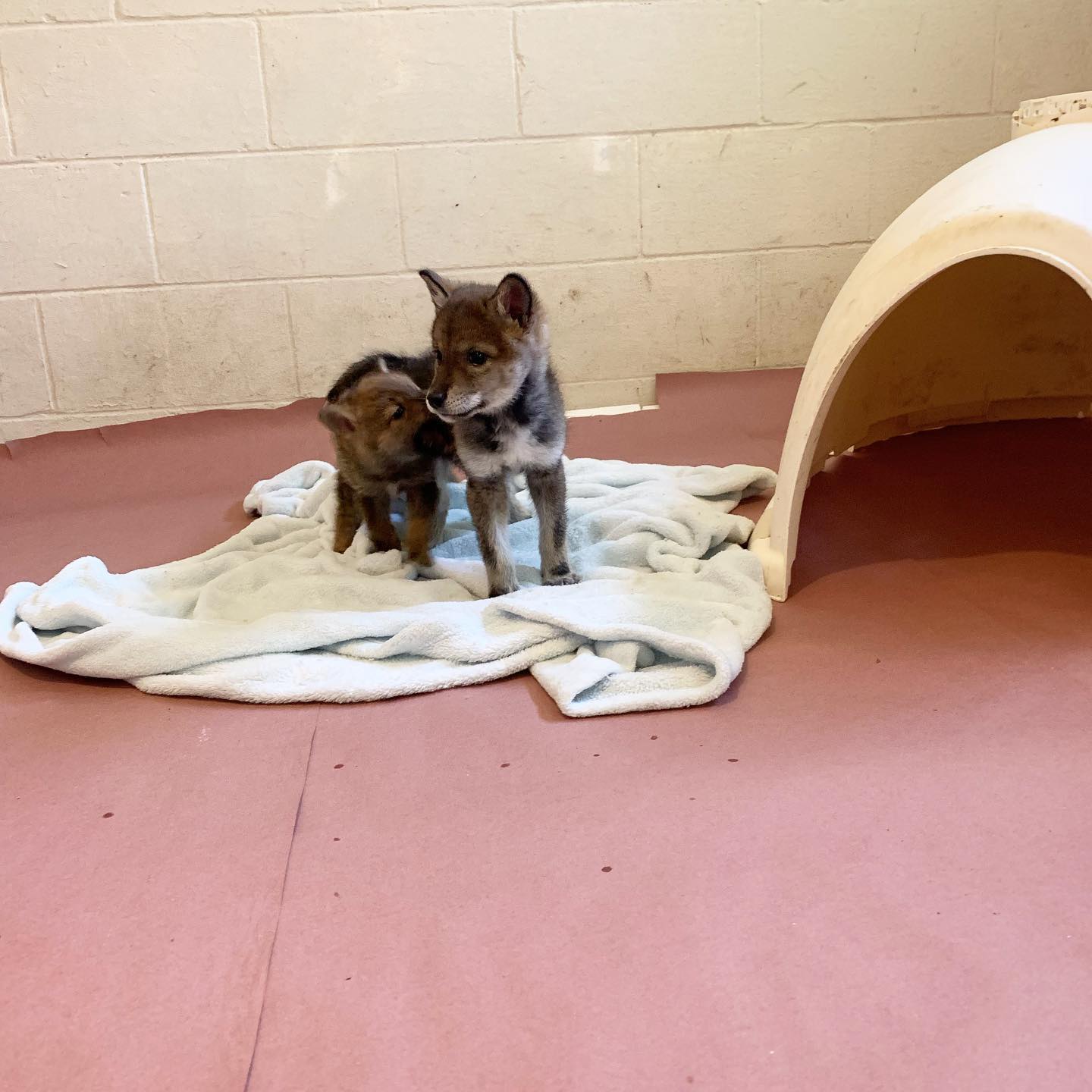
CWF noted that their goal is to raise these coyotes with as little human influence as possible so that they are fully equipped for release when the time comes.
They also explained an important part of caring for Rabies Vector Species, which includes coyotes along with animals like foxes, raccoons, bats, skunks, and groundhogs. These species have an increased risk of carrying rabies, a virus that is deadly to mammals.
If the family who found the pup had been bitten or scratched, regulations would have required the wildlife center to euthanize the animal to check for rabies exposure. Thankfully, no such incident occurred, allowing the pup to be safely rehabilitated.
Helping Wildlife The Right Way
Although this little coyote’s rescue had a positive outcome, his story serves as a reminder that wild animals should not be raised or handled without expert support. If you encounter a creature that seems hurt or abandoned, the safest action is to avoid close contact and notify local animal control or a licensed rehabilitation center.
Wildlife professionals know the correct procedures for caring for these animals and can provide the best chance for a successful return to nature.
Thanks to the quick thinking of this Massachusetts family, the young coyote is now in an environment where he can grow strong and healthy under expert supervision.