
People often think animal rescue groups exist mainly for stray dogs and cats, but many of these organizations are just as dedicated to protecting wildlife.
Their work is rooted in caring for native species and doing everything they can to keep them safe. They step in again and again, trying to lessen the harm animals face, whether it comes from people or from the unforgiving side of the natural world.
In California, one rescue team headed into the woods and came across something they never expected to find. What was waiting for them there was heartbreaking.
Identifying The Animal And Getting Him To Safety
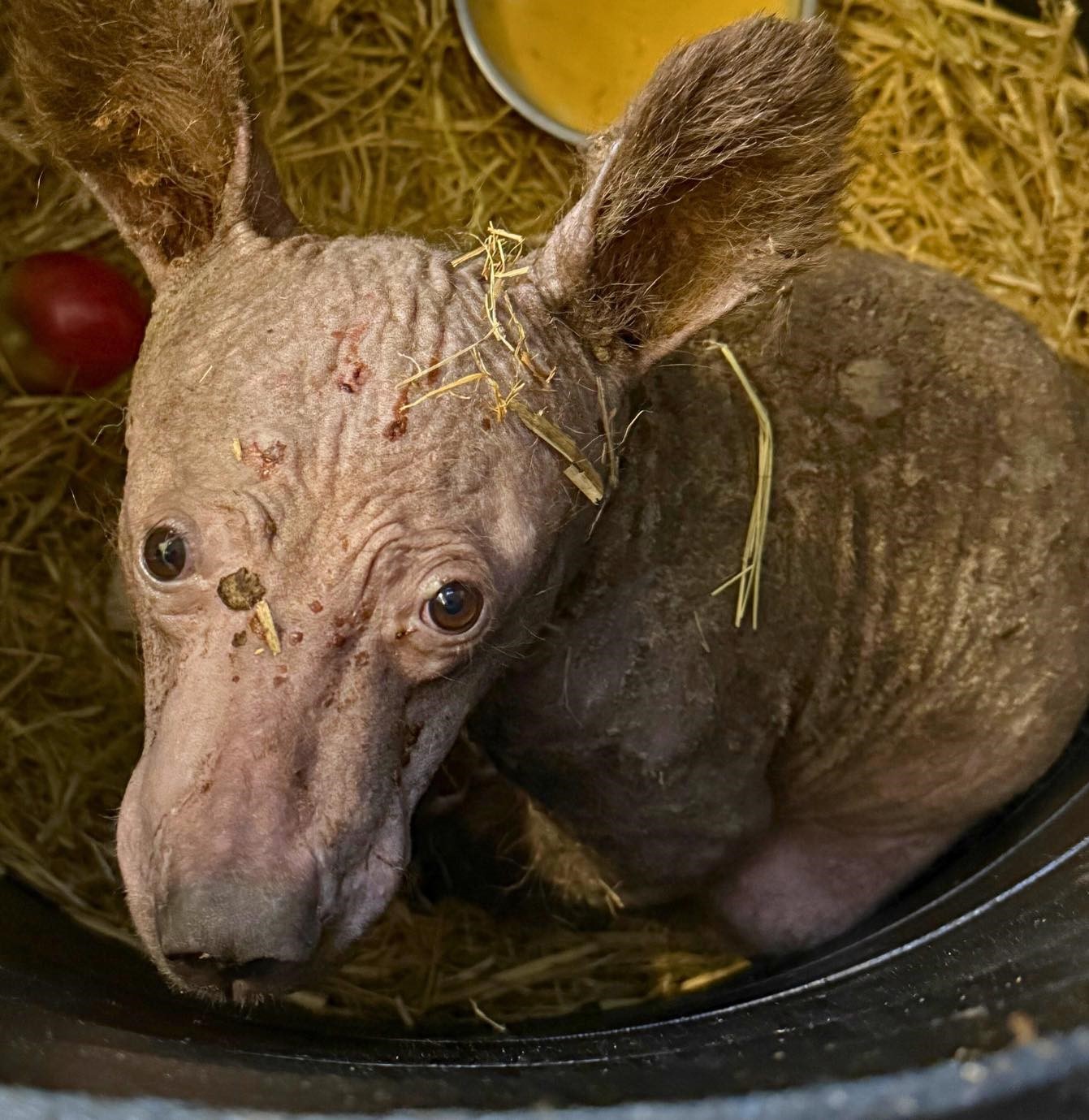
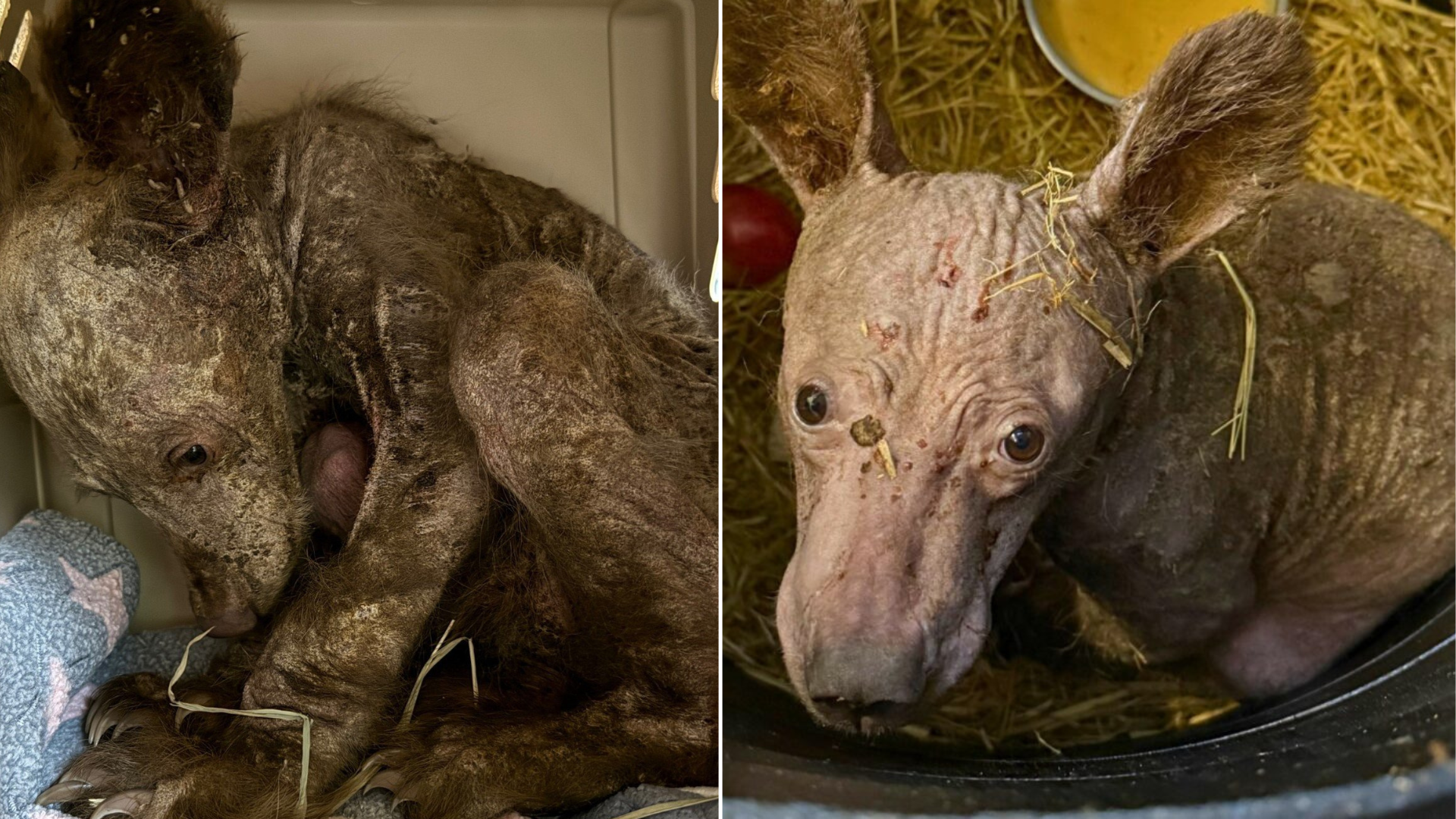
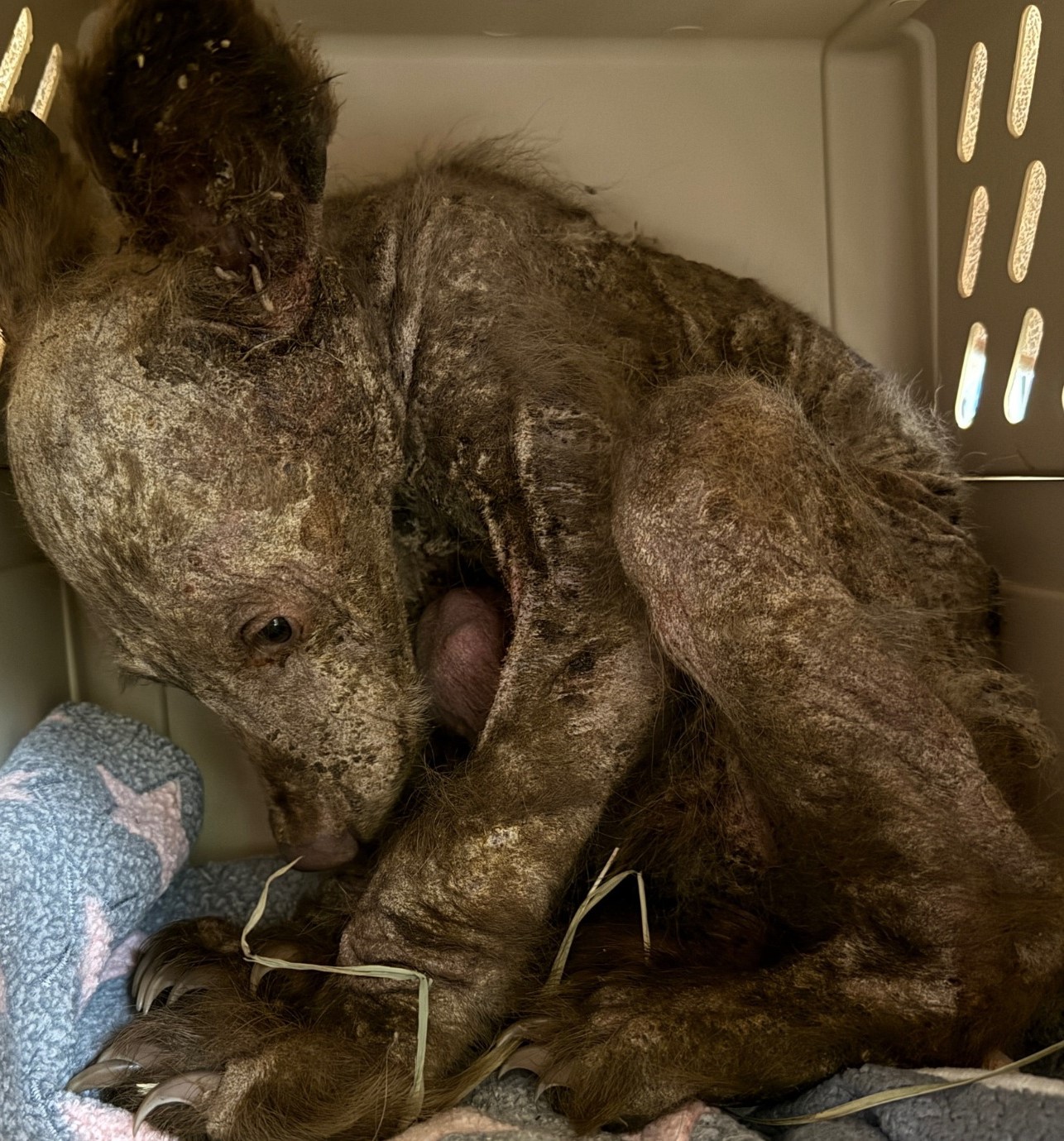
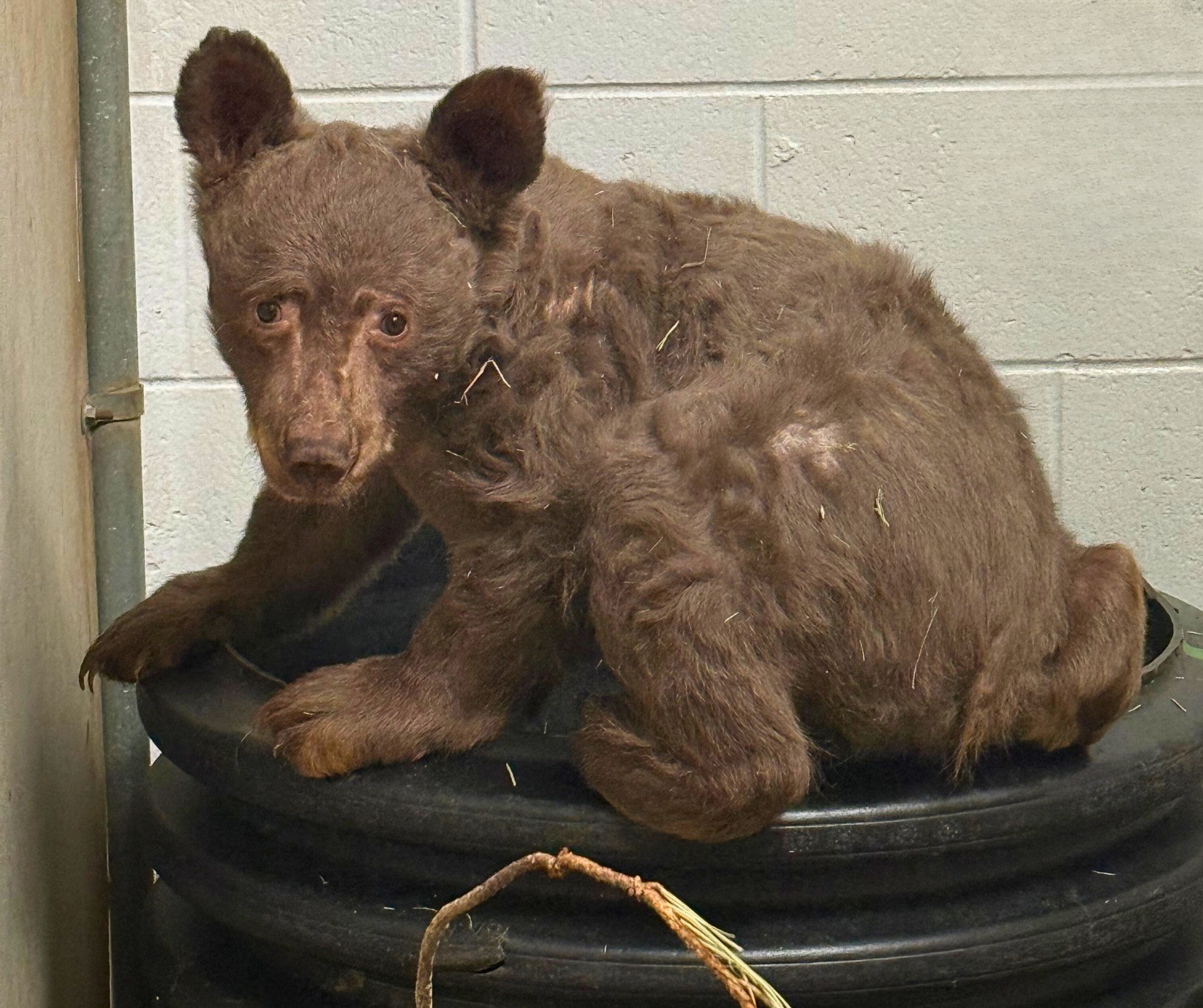
The team from Gold Country Wildlife Rescue (GCWR) was working in North Auburn, California, when they discovered a young black bear cub in alarming condition.
The cub was frail, sickly, and showed clear signs of distress. He was dangerously underweight, dehydrated, and suffering from anemia and skin infections.
Realizing the seriousness of the situation, the rescuers acted swiftly to transport the bear to their facility for immediate care.
A veterinarian conducted a thorough examination and confirmed that the bear’s condition was critical.
He would need intensive care and a prolonged recovery, and even then, his chances were uncertain.
Still, the team was determined to provide him with every opportunity to recover.
Gradual Signs Of Recovery
Over the next few days, the team’s efforts began to show encouraging results. The bear started to regain strength, and small patches of fur began to regrow.
His condition slowly stabilized, giving everyone hope for his full recovery.
As his fur grew back, the bear also began to show signs of playful behavior.
This shift in attitude was a significant milestone for the rescue team, as it suggested that the bear was regaining his energy and spirit.
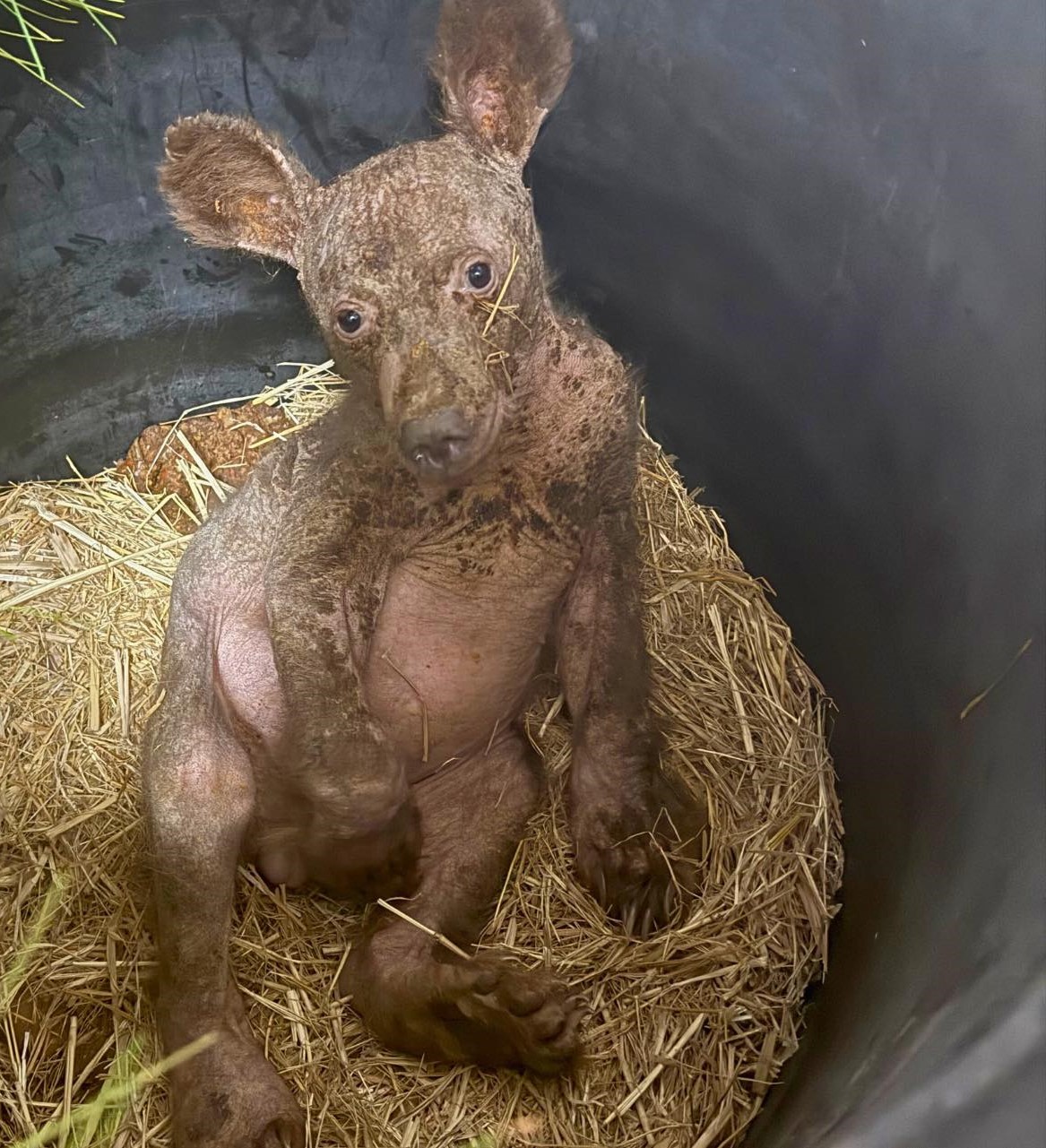
He began splashing around in a kiddie pool and resting comfortably on a hammock made from fire hose material.
Though the bear was improving, the staff limited their interaction with him, as their primary goal was to prepare him for life back in the wild.
They continued to support him, ensuring his recovery was steady and focused on independence.
Preparing For The Next Step
As his health continued to improve, the team faced a difficult decision: Should they keep the bear in the sanctuary for extended care, or release him back into the wild?
They knew that prolonged human interaction could affect his instincts, so they had to weigh their options carefully.
For now, the bear remains under close observation and care, surrounded by individuals who are dedicated to his recovery.
With continued attention and patience, the bear may one day be able to return to the wild forests of California and live the life he was meant to have.